Introduction to Scottish Terrier Grooming
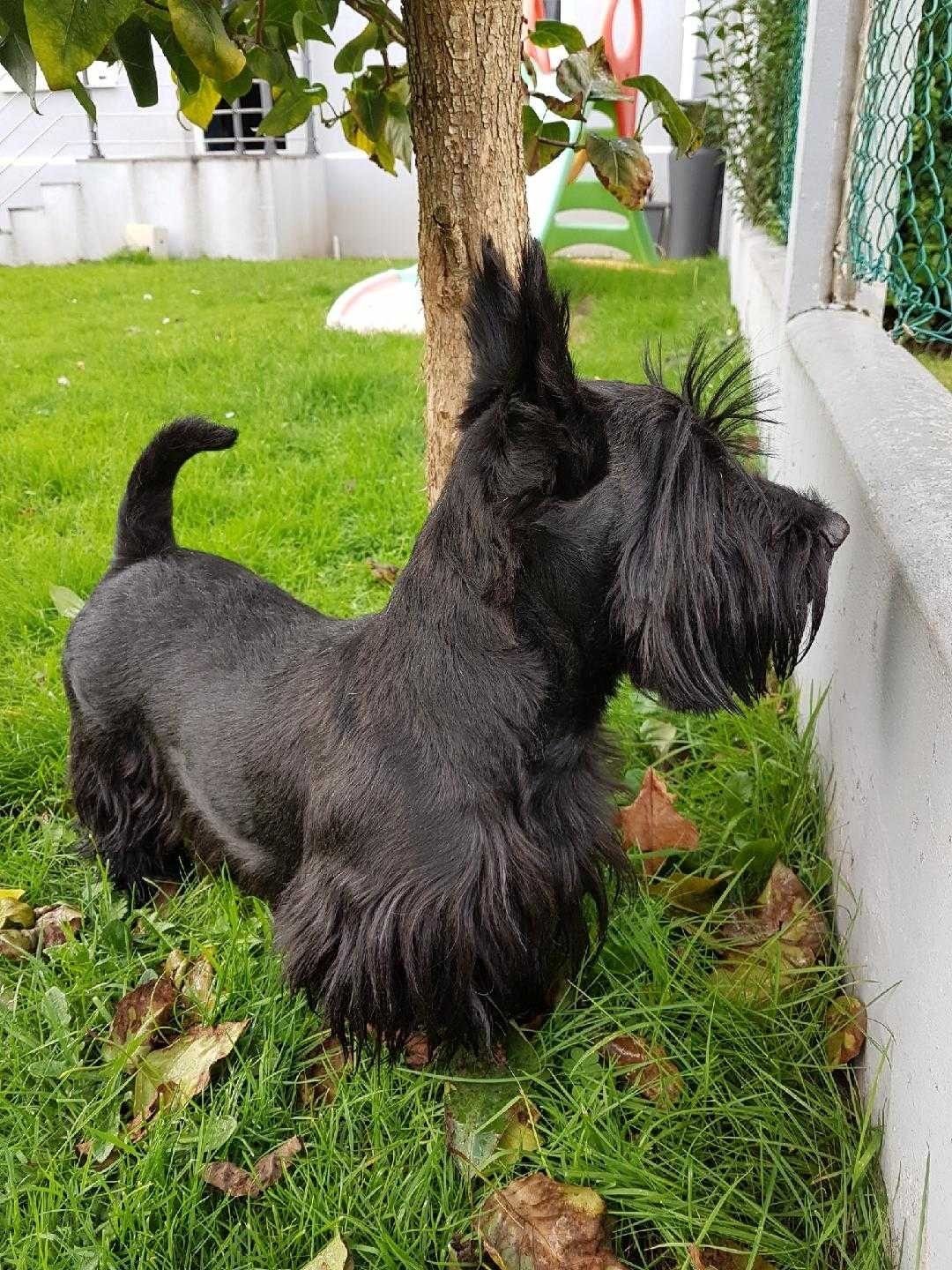
Scottish Terriers have one of the most distinctive coats in the dog world. Their wiry, weather-resistant double coat requires regular maintenance to keep them looking their best and feeling comfortable. As experienced Scottish Terrier breeders in California, we've groomed countless Scotties and want to share our expertise with you.
Do Scottish Terriers Shed?
This is one of the most common questions we receive. The good news is that Scottish Terriers are considered a low-shedding breed. Unlike many dogs that shed seasonally, Scotties have a coat that grows continuously and sheds minimally. This makes them a great choice for people with mild allergies or those who prefer less dog hair around the house.
However, "low-shedding" doesn't mean "no-maintenance." The Scottish Terrier's coat requires regular grooming to remove dead hair and prevent matting. Without proper care, their coat can become tangled and uncomfortable.
Understanding the Scottish Terrier Coat
Scottish Terriers have a double coat consisting of:
- Outer Coat: Hard, wiry, and weather-resistant. This is the coat that gives Scotties their characteristic texture and appearance.
- Undercoat: Soft, dense, and insulating. This layer keeps your Scottie warm in cold weather.
The coat grows continuously and can reach 2 inches or more in length if left untrimmed. Traditional Scottish Terrier grooming maintains a longer skirt on the legs and belly while keeping the body coat shorter and neat.
Daily Grooming Routine
Brushing (3-4 times per week)
Regular brushing is essential for maintaining your Scottish Terrier's coat health:
- Use a slicker brush to work through the coat, starting from the head and working backward
- Pay special attention to areas prone to matting: behind the ears, under the legs, and the belly skirt
- Follow up with a metal comb to ensure you've removed all tangles
- Brush in the direction of hair growth to avoid discomfort
Beard and Facial Hair Care
The Scottish Terrier's distinctive beard requires daily attention:
- Wipe the beard after meals to prevent food buildup
- Use a damp cloth to clean around the mouth and eyes
- Comb through the beard daily to prevent matting
- Trim stray hairs that obstruct vision or fall into the eyes
Professional Grooming Schedule
We recommend professional grooming every 6-8 weeks for pet Scottish Terriers. A professional groomer can:
- Hand-strip or clip the coat to maintain the proper texture and appearance
- Trim nails and clean ears
- Shape the distinctive Scottish Terrier silhouette
- Check for skin issues or parasites
- Express anal glands if needed
Hand-Stripping vs. Clipping
Hand-Stripping
Traditional method that removes dead outer coat hairs by hand. Benefits include:
- Maintains the wiry texture of the coat
- Preserves the rich, dark color
- Keeps the weather-resistant properties
- Preferred for show dogs
Clipping
Faster method using electric clippers. Considerations:
- Quicker and less expensive than hand-stripping
- May soften the coat texture over time
- Can lighten the coat color slightly
- Perfectly acceptable for pet Scotties
Bathing Your Scottish Terrier
Scottish Terriers don't require frequent baths. We recommend bathing every 6-8 weeks or as needed:
- Use a high-quality dog shampoo formulated for wiry coats
- Thoroughly wet the coat with warm water
- Apply shampoo and work into a lather, avoiding the eyes and ears
- Rinse completely - leftover shampoo can cause skin irritation
- Towel dry and allow to air dry or use a blow dryer on low heat
- Brush thoroughly after drying to prevent matting
Nail Care
Regular nail trimming is essential for your Scottie's comfort and health:
- Trim nails every 3-4 weeks
- Use quality dog nail clippers or a grinder
- Cut just before the quick (the pink area inside the nail)
- If you hear clicking on hard floors, nails are too long
- Have styptic powder on hand in case of bleeding
Ear Care
Scottish Terriers' erect ears require regular cleaning:
- Check ears weekly for dirt, wax, or odor
- Clean with a veterinarian-approved ear cleaner
- Never insert anything deep into the ear canal
- Pluck excess hair from the ear canal if recommended by your vet
- Watch for signs of infection: redness, swelling, or discharge
Dental Care
Dental health is crucial for Scottish Terriers:
- Brush teeth 3-4 times per week with dog toothpaste
- Provide dental chews and toys
- Schedule professional dental cleanings as recommended by your vet
- Watch for signs of dental problems: bad breath, difficulty eating, or drooling
Grooming Tools You'll Need
Invest in quality grooming tools for the best results:
- Slicker brush: For daily brushing and removing loose hair
- Metal comb: For working through tangles and checking for mats
- Stripping knife: If you plan to hand-strip (optional)
- Nail clippers or grinder: For regular nail maintenance
- Dog shampoo: Formulated for wiry coats
- Ear cleaner: Veterinarian-approved solution
- Dog toothbrush and toothpaste: For dental care
- Scissors: For trimming around paws and face
Common Grooming Mistakes to Avoid
- Over-bathing: Can strip natural oils and dry out the skin
- Neglecting the undercoat: Leads to severe matting
- Cutting nails too short: Painful and can cause bleeding
- Using human shampoo: Wrong pH balance for dogs
- Skipping professional grooming: DIY is great, but professionals catch issues you might miss
Conclusion
Proper grooming is essential for keeping your Scottish Terrier healthy, comfortable, and looking their best. While the breed's distinctive coat requires regular maintenance, the time invested is well worth it. A well-groomed Scottie is a happy Scottie!
If you have questions about grooming your Scottish Terrier or are interested in our available puppies, please don't hesitate to contact us. As experienced California breeders, we're always happy to share our knowledge and help you provide the best care for your Scottie.